
By
Lara Scott-Rule
BSc Anthropology with Year Abroad
I've always said, if you don't look in the mirror, you don't feel any different.


It's just, you look at yourself and you think, who are you? Where did you come from? You're my mum.

I now have daughters that are 51 and 50.

I've got grandchildren, I don't think they particularly view me as old.

Sometimes you think, why am I tired?  Then I think, you're 76.

I think I can remember thinking people like 50 were old.

I'd like to slow it.


I mean my dad died when he was 69.  My mum was 85.

I suppose they seemed old; sort of old in their – in some of their – ways,

The way they dressed, the way they thought.

I mean even now, you look at some older people, and you think,

“When did you get to the age when you thought you had to wear, like, old lady shoes?”

I still wear my jeans and my jumpers.

I never saw my mum in a pair of jeans, ever.


I find walking difficult, but I've always loved swimming,

I swim practically every day,

I didn't ever have swimming lessons or anything like that.

I used to go to the beach as a child, and my dad taught us all to swim in the sea.

I've always just loved that; I couldn't do other things.

I like it because of the exercise, but there's also the social side of it.

I do crosswords, a bit of reading.

I think it's just trying to keep yourself as fit and healthy as you can, really.


I do look online, I've got my iPad,

I can't say I've got a great deal of dissatisfaction; the only thing is I think I haven't a clue who my doctor is.

I don't like social media,

I'm not on Facebook,

I've never been on Facebook.

I worry for my grandchildren.

I do worry.


I suppose I feel the oldest if I'm feeling under the weather.

I don't very often feel old, to be honest, at the moment.

As I say, it's only when I look in the mirror sometimes,

I think, oh, my mum's looking back at me.

Youngest, when I'm having a really good laugh and a chat with my grandchildren.


- Penelope, 76, leisure centre in Hampshire


I swim here

I swim all over.

I've always swum.

I think it's a combined love of being in the sea.

 I lived here nearly 50 years, and I've always swum in the sea.

I'm 72; I was brought up in southeast London; I moved down here when I was 25.

I don't think you're going to have anything more magical.

You'd swim out and look at everybody's windows and everything;

You can't do anything when you're swimming in the sea, except be swimming in the sea.


I think the saddest change is for farmers.

On Women's Hour, do you ever hear about farming?

I think that's the thing, is that communities are not represented really.

I know it's very easy to centre on cities,

but I think that people just get on with it here.

I've got three sons, three daughters-in-law, grandchildren.

But it's being independent, and it's them seeing you independent.

I think as a woman… I shouldn't say that.

I think it's very easy to start relying on people.

I'm adopted,

I think in the adoption, because my mother wanted specifically to have a girl,

I think I got stuck in a position of what's expected of me.


If you live in a city, your horizon's there.

But if you live by the sea, your horizon's there.

It's a different horizon.

And it's a distance, and it's… just incredible to sit out, and to see.

- Francesca, 72, community café in Cornwall
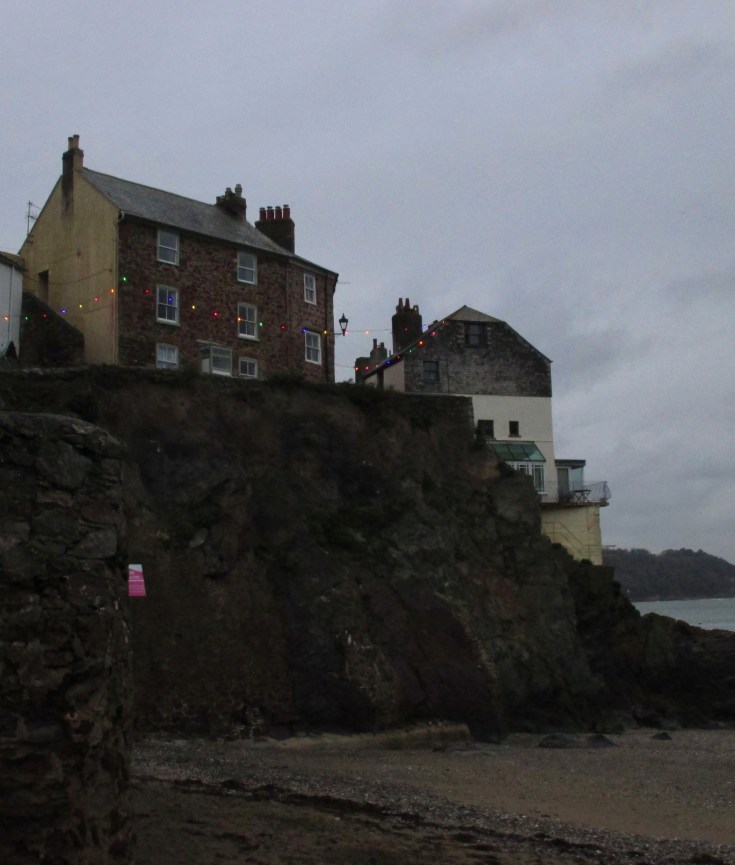
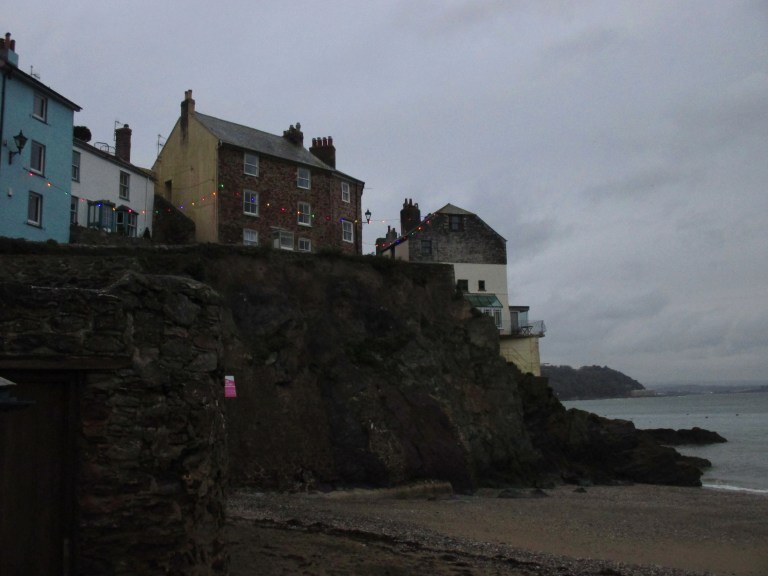
These I-poems are taken from my dissertation on the concept of ‘ageing well’. Created from interview transcripts, I-poems are formed by selecting participants’ uses of ‘I’ and arranging them into poetic stanzas. This method has evolved from the Listening Guide, a four-stage voice-centred relational method developed primarily by Carol Gilligan and her colleagues within feminist psychological research (Gilligan et al., 2003). My research compared experiences of ageing in a suburban town in Hampshire and a coastal village in Cornwall. ‘Ageing well’ was a deeply relational and embodied process for my participants, whereby their sociocultural context and emplaced identities shaped what it meant to live well and thrive in later life. Creating these poems was a way to maintain the participant voice in the thematic analysis and presentation of data.
This piece is a response to Temporalities, the theme of our 2026 print issue, which you can read here.

